Growth is a major milestone for any security company. More clients, more guards, and more locations usually mean the business is moving in the right direction.
But growth also brings complexity.
What once worked for a small operation often becomes difficult to manage at scale. Processes become inconsistent, communication slows down, and visibility across sites starts to disappear. Many companies assume these challenges are simply part of expansion. In reality, the issue is usually the lack of proper security workforce management.
Without structured systems and automation, operations become harder to control as companies grow.
Manual Processes Stop Working
Many security companies begin with basic workflows. Scheduling may be managed through spreadsheets, attendance through calls, and reporting through manual forms.65
At a small scale, this may seem manageable.
But as operations expand, manual processes create delays, confusion, and administrative overload. Supervisors spend more time fixing problems than improving operations.
This is one of the biggest reasons security operations begin to break down during growth.
Modern companies rely on security workforce management to reduce manual effort and create more structured workflows across teams and locations.
Communication Becomes Harder to Control
As teams grow across multiple locations, communication often becomes fragmented.
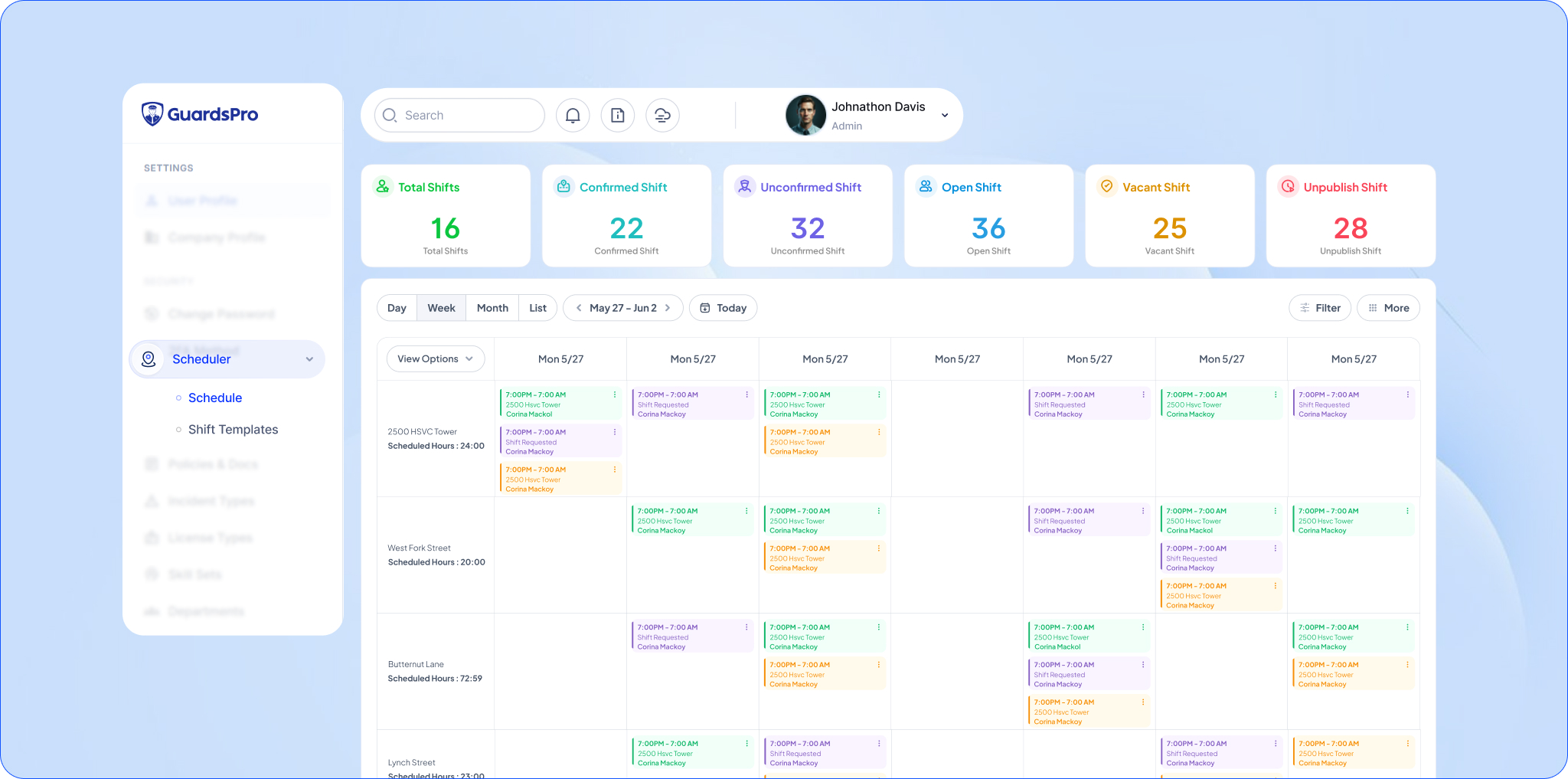
Guards and supervisors may rely on calls, external messaging apps, or scattered communication channels to share updates. Over time, this creates delays, confusion, and missed information.
A centralized security management system helps solve this by bringing communication, updates, and operational information into one place.
This keeps teams aligned and reduces operational gaps across sites.
Lack of Visibility Creates Operational Blind Spots
One of the biggest challenges growing companies face is reduced visibility.
Managers can no longer physically oversee every site, which means they depend heavily on delayed updates or supervisor reports.
Without live visibility, it becomes difficult to:
- Confirm attendance
- Verify patrol completion
- Monitor guard activity
- Respond quickly to incidents
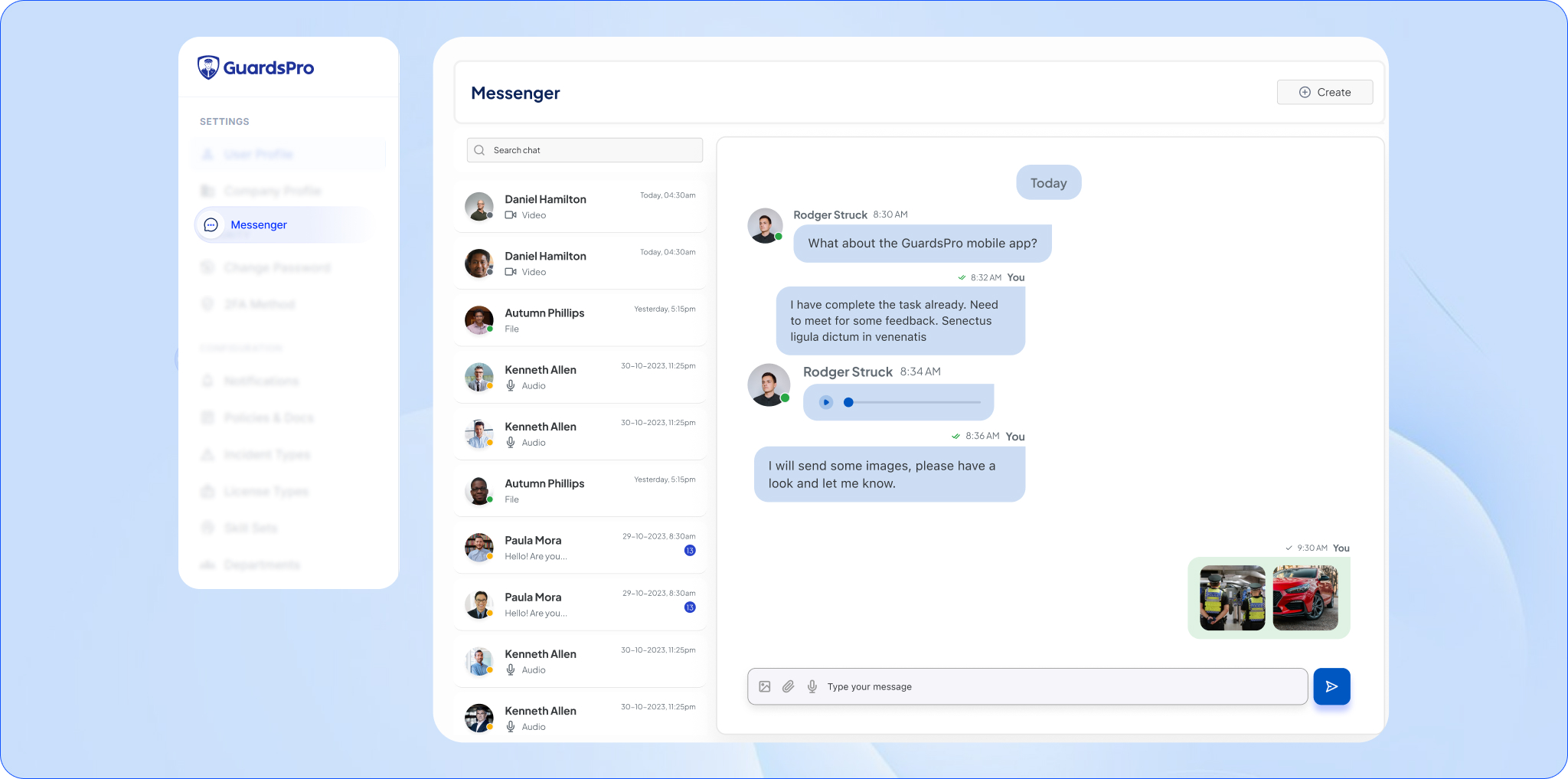
This is where real-time guard tracking becomes essential.
Live operational visibility allows managers to stay informed without constantly chasing updates. It improves accountability and helps teams respond faster when problems occur.
Scheduling Quickly Becomes Complicated
Scheduling becomes far more difficult as operations grow.
More guards mean more shift rotations, replacements, overtime calculations, and last-minute adjustments. Managing all of this manually creates confusion and increases the risk of understaffed sites.
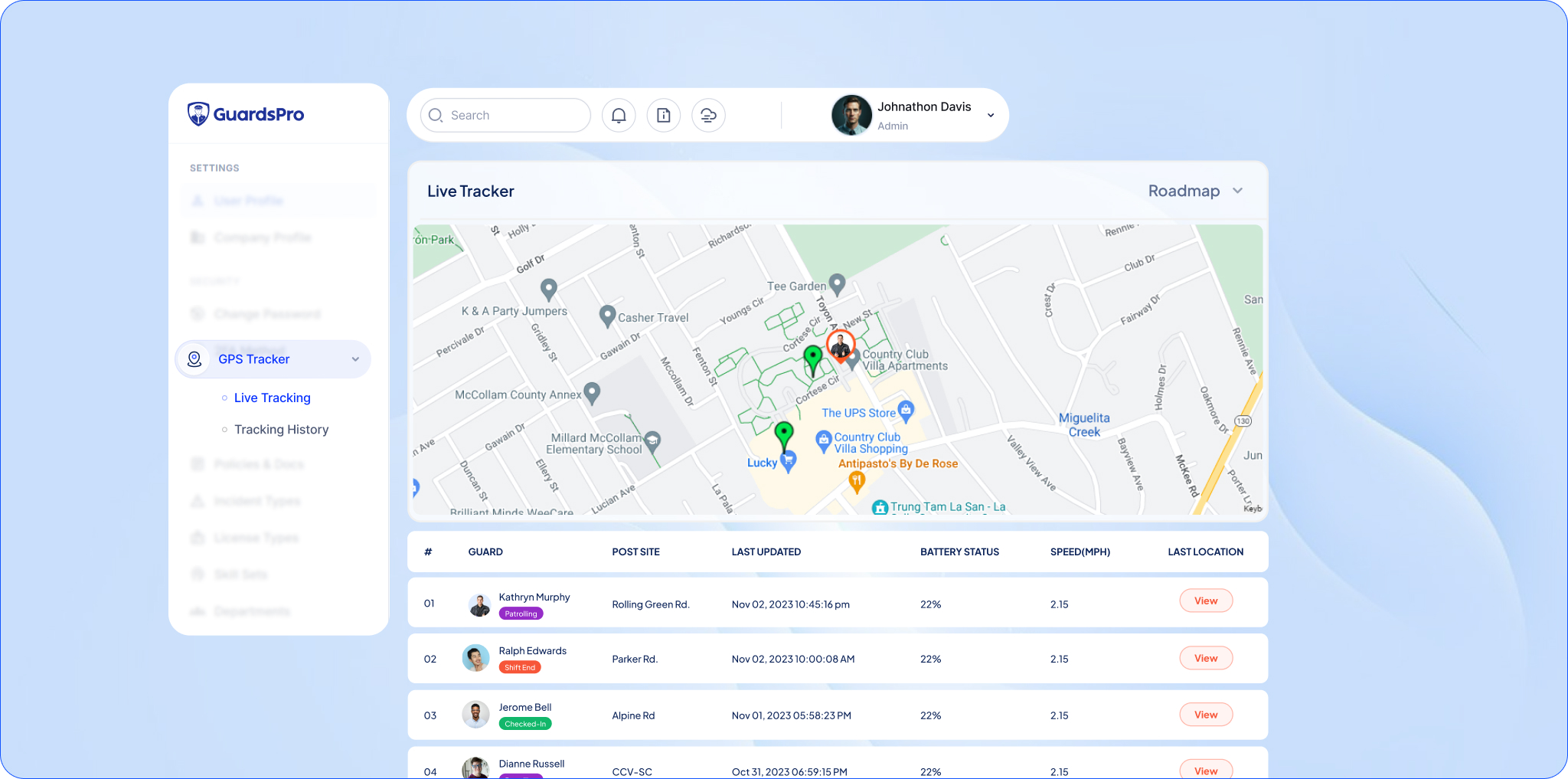
With automated shift scheduling, companies can simplify workforce coordination and reduce scheduling errors.
Automation helps:
- Fill open shifts faster
- Track guard availability accurately
- Reduce manual coordination
- Improve operational consistency
Instead of constantly reacting to schedule changes, teams gain a more predictable and organized system.
Reporting Starts Consuming Too Much Time
As companies scale, reporting requirements increase significantly.
Supervisors must handle more patrol logs, incident reports, attendance records, and client updates. When reporting is managed manually, administrative workload grows rapidly.
This often leads to:
- Delayed reports
- Missing information
- Inconsistent documentation
- Reduced operational efficiency
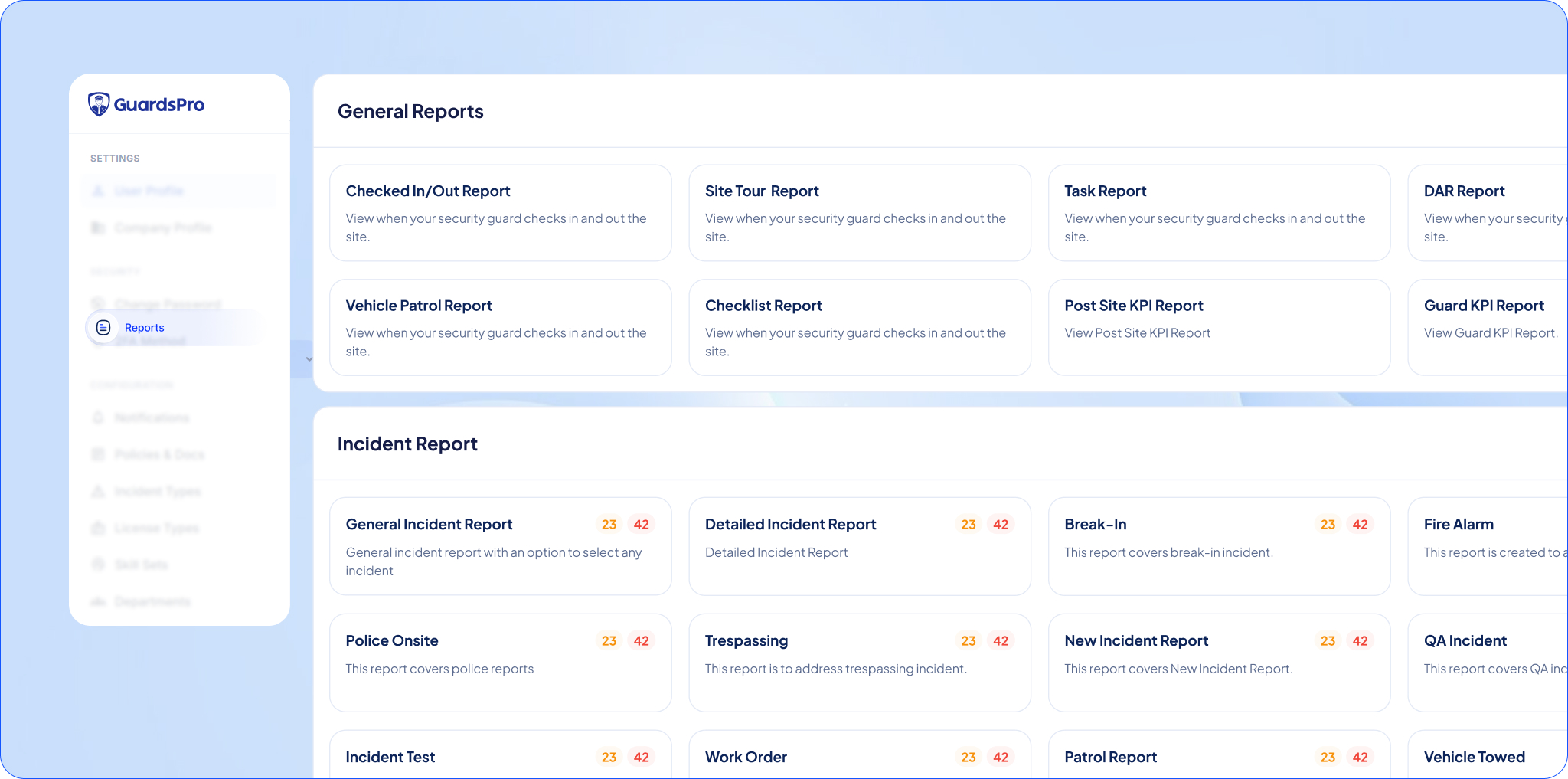
Using digital incident reporting, guards can submit updates instantly from the field. Reports are stored automatically and can be accessed anytime.
This improves transparency while reducing administrative burden.
Inconsistent Operations Affect Service Quality
One of the hidden challenges of growth is inconsistency.
Without standardized systems, each site may begin operating differently. Some supervisors follow procedures closely, while others develop their own workflows.
Over time, this affects service quality and client confidence.
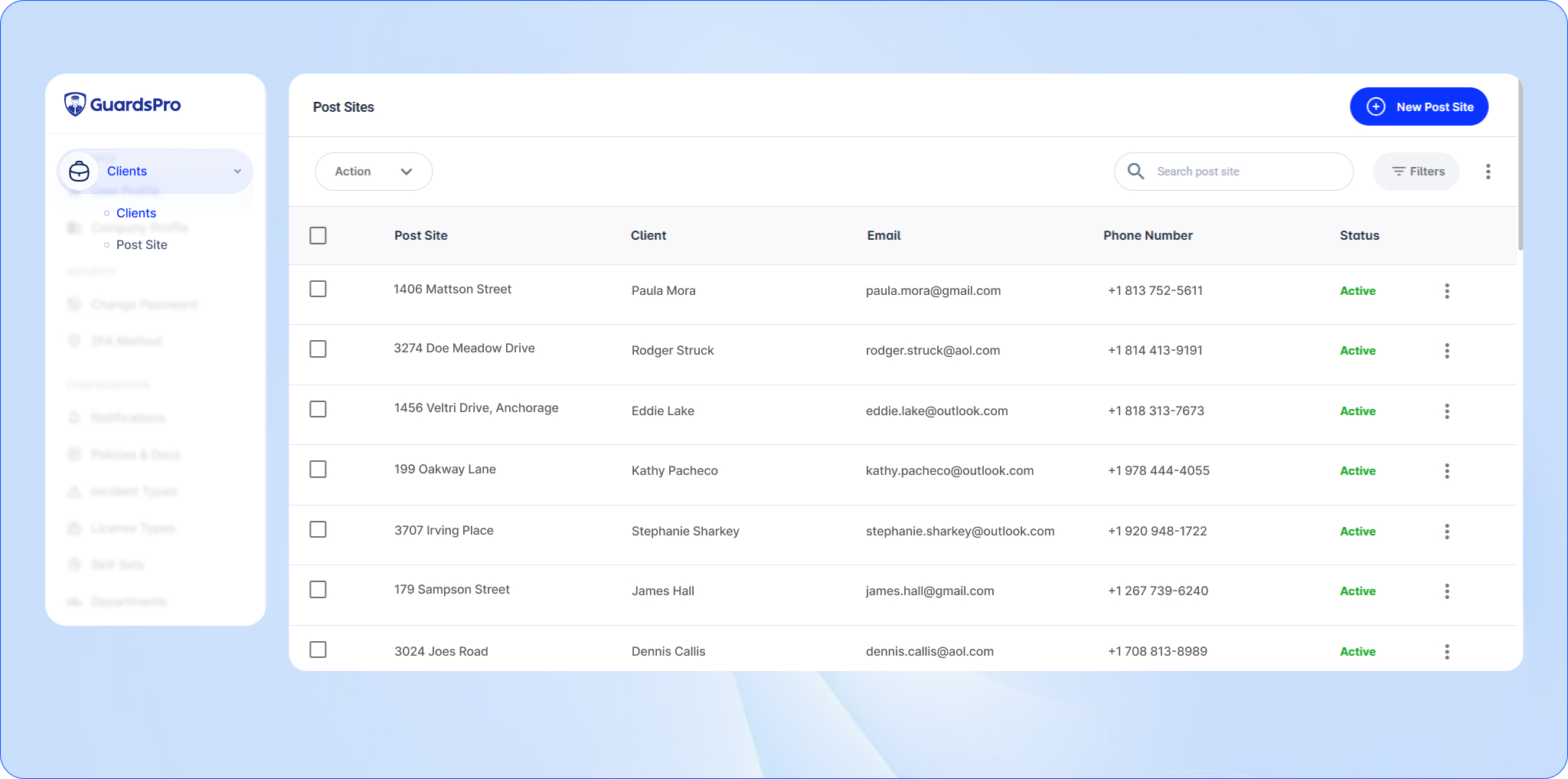
Strong multi-site security management helps ensure every location follows the same operational standards, regardless of size or staffing.
Consistency becomes easier to maintain when processes are centralized and automated.
The Real Problem Is Not Growth
Many companies believe growth itself is the problem.
But growth is not what causes operations to fail.
The real issue is trying to manage larger operations using systems designed for smaller teams. Processes that work for five sites rarely work for fifty.
This is why security workforce management becomes increasingly important as companies expand. It provides the structure needed to manage complexity without losing control.
How GuardsPro Helps Companies Scale
GuardsPro is built specifically for modern security operations.
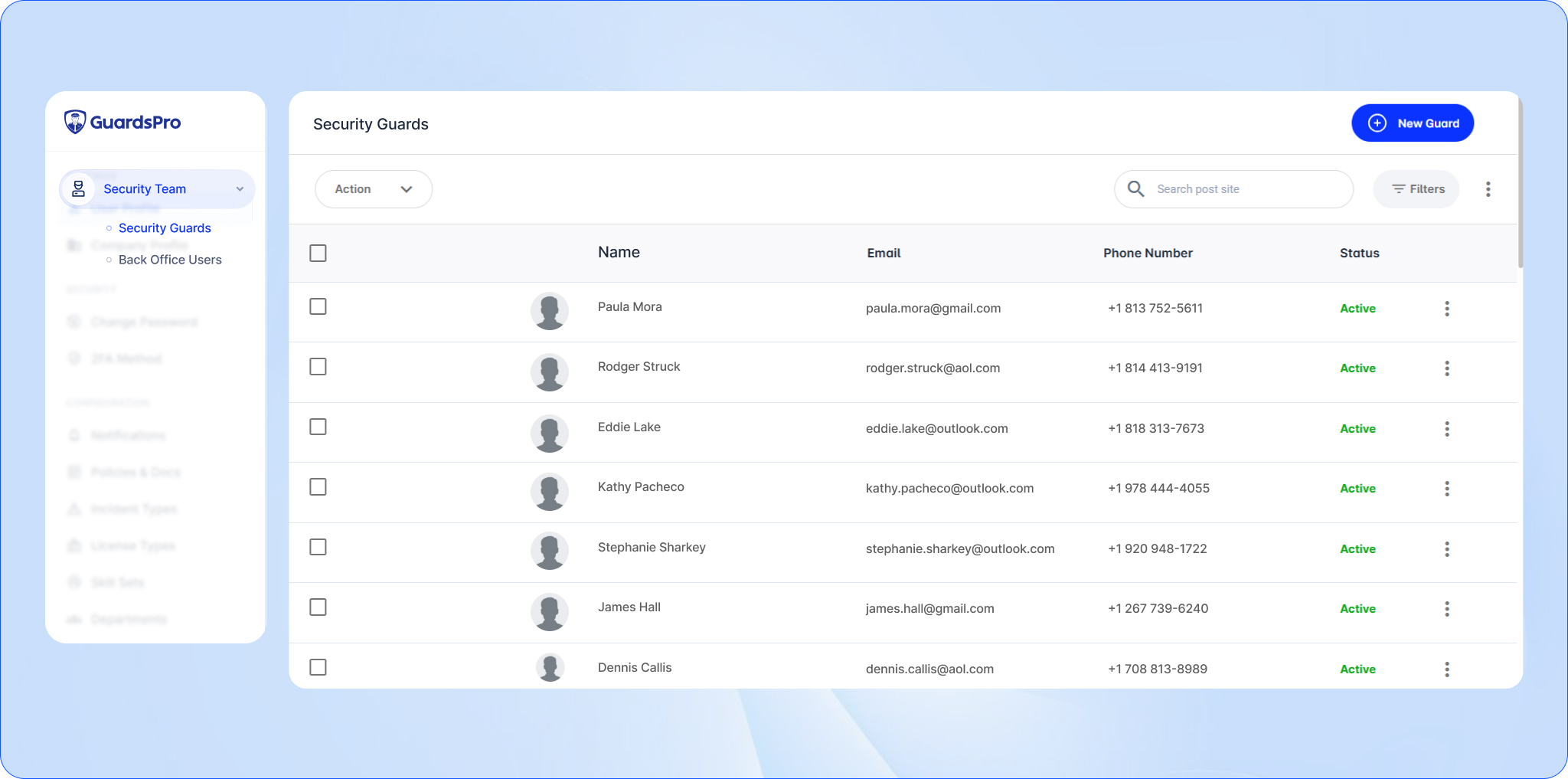
It combines scheduling, reporting, attendance, communication, and live tracking into one centralized platform. Instead of relying on disconnected systems, companies can manage everything from a single solution.
With GuardsPro, security companies can:
- Improve visibility across sites
- Reduce manual coordination
- Strengthen accountability
- Standardize workflows
- Scale operations more efficiently
This allows teams to focus less on operational problems and more on delivering quality service.
Conclusion
Scaling a security company should create opportunities, not operational chaos.
But without the right systems in place, growth can expose weaknesses in scheduling, communication, reporting, and visibility.
That is why security workforce management is essential for modern security companies. It helps businesses stay organized, improve efficiency, and maintain control as operations expand.
With GuardsPro, companies can move beyond outdated processes and build operations designed for long-term growth.

Prefer a walkthrough?
Book a live demo and explore how GuardsPro helps you manage scheduling, reporting, and operations across all your sites.
Have questions or feedback?
Get in touch anytime—we’re here to help, and your input helps us keep improving for teams like yours.