
[ez-toc]
When security managers think about operational expenses, they usually focus on payroll, equipment, vehicles, or staffing. However, some of the biggest expenses never appear as a single line item.
They’re hidden inside inefficient daily operations.
Paper-based reporting, missed patrols, scheduling errors, delayed communication, manual payroll corrections, and administrative bottlenecks quietly consume time and money every day. While each issue may seem minor on its own, together they create significant financial losses and reduce operational efficiency.
These hidden costs of inefficient security management affect businesses of every size, from private security companies to organizations managing in-house security teams.
The good news? Most of these challenges are entirely preventable with the right technology.
Let’s look at where these hidden costs come from—and how to eliminate them.
1. Administrative Work Consumes Valuable Time
Many security companies still rely on spreadsheets, paperwork, emails, and phone calls to manage daily operations.
Managers spend hours:
- Creating schedules
- Tracking attendance
- Reviewing reports
- Processing payroll information
- Following up on incidents
- Updating client records
Every manual task increases labor costs while reducing the time available for strategic planning and client support.
Automating routine administrative work allows supervisors to focus on improving operations instead of managing paperwork.
2. Poor Communication Leads to Operational Delays
Security operations depend on fast, accurate communication.
When guards, dispatchers, supervisors, and clients rely on scattered phone calls or text messages, important information can easily be delayed or missed.
Poor communication often results in:
- Slower emergency response
- Missed shift updates
- Delayed incident reporting
- Duplicate work
- Confused field teams
These security management inefficiencies reduce productivity while increasing operational risk.
3. Missed Patrols Increase Risk and Liability
Without proper patrol verification, there’s no reliable way to confirm whether required patrols were completed.
Missed checkpoints can lead to:
- Property damage
- Theft
- Compliance issues
- Client complaints
- Increased liability
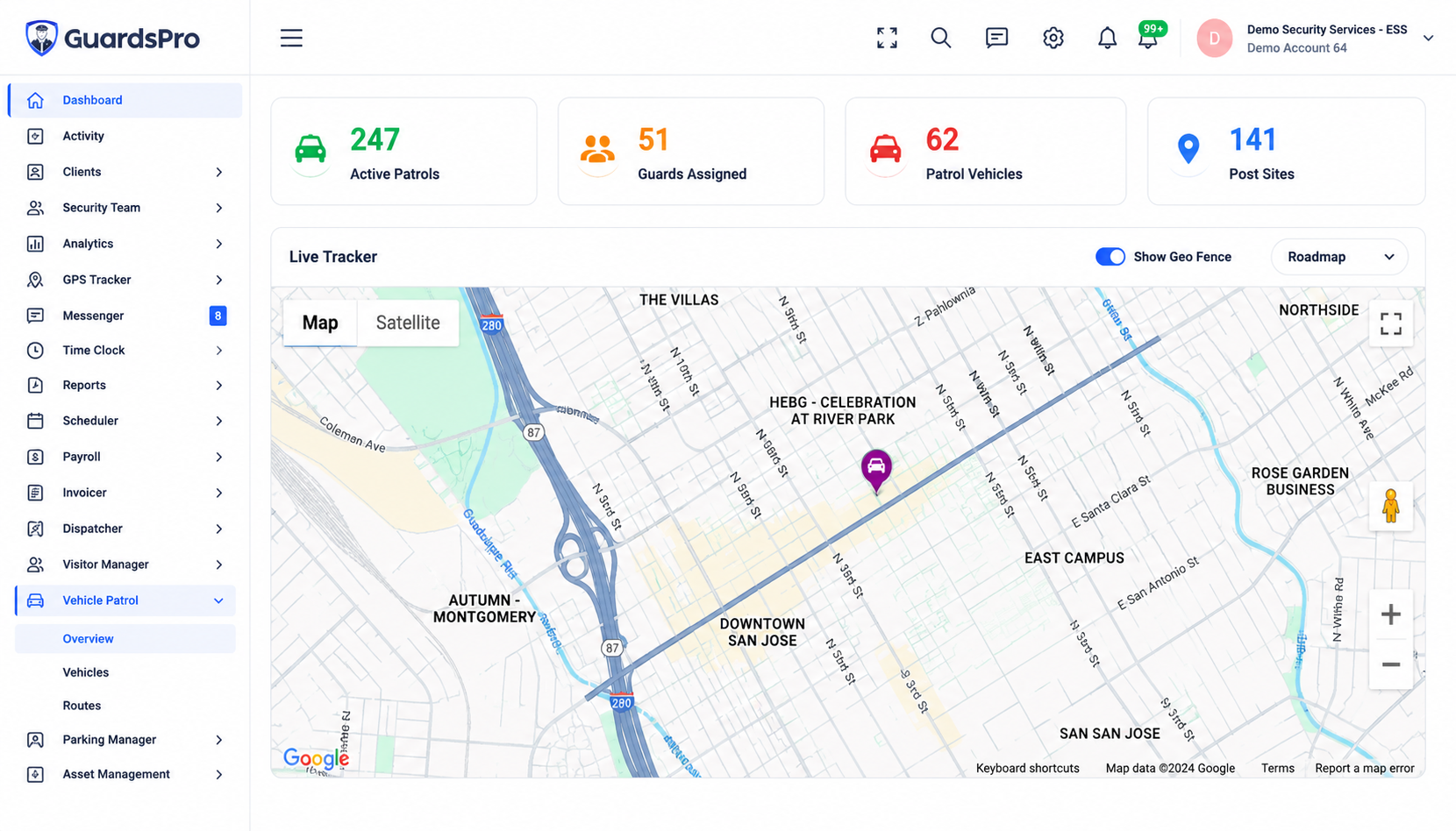
Digital guard tour systems with GPS verification provide accountability while reducing the risks associated with incomplete patrols.
4. Manual Reporting Creates Inaccurate Records
Incident reports are only valuable if they’re accurate, timely, and complete.
Paper reports often suffer from:
- Missing information
- Illegible handwriting
- Delayed submission
- Lost documents
- Inconsistent reporting formats
Incomplete documentation can create legal challenges and reduce client confidence.
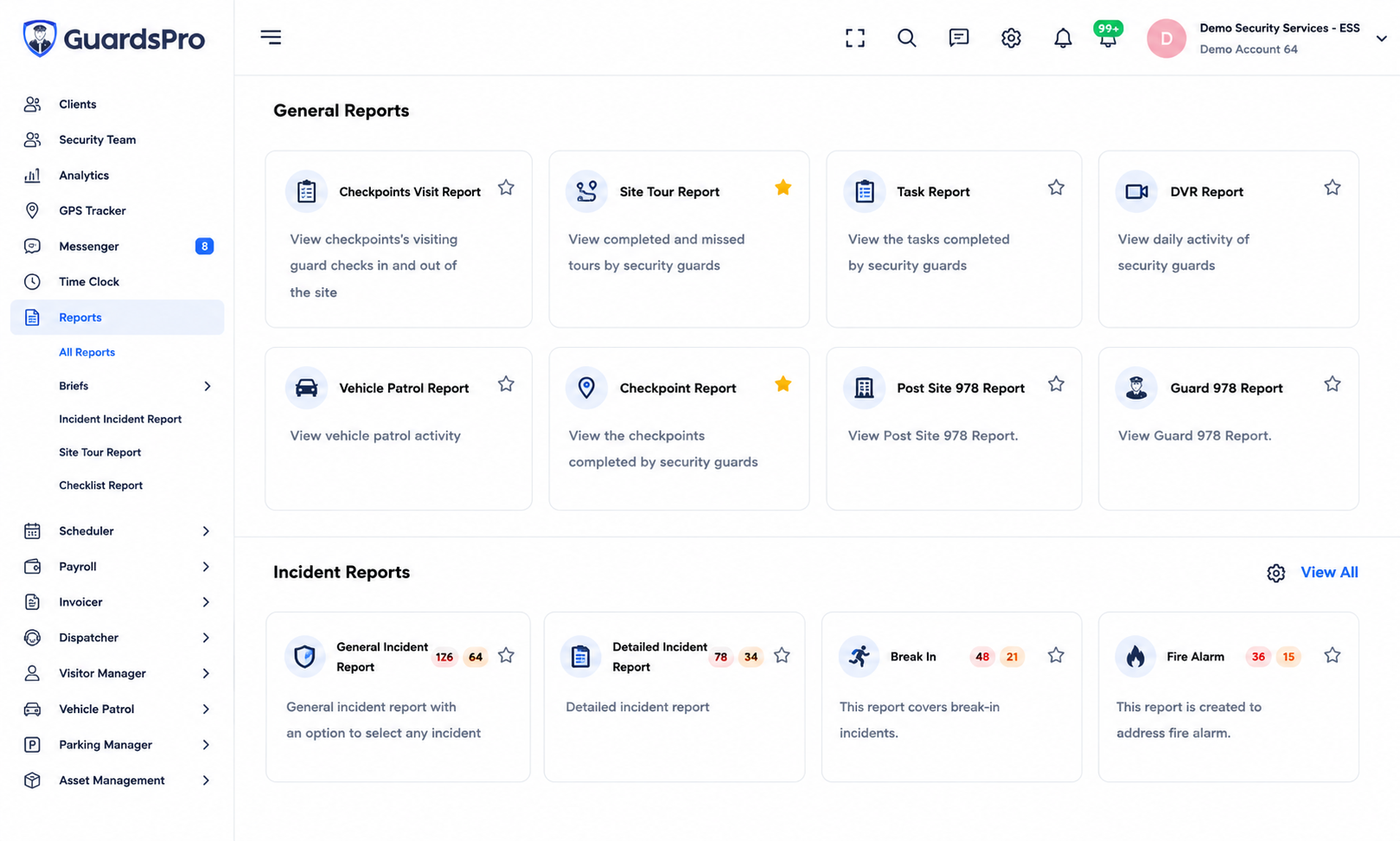
Digital reporting enables guards to submit incidents immediately with photos, timestamps, GPS locations, and standardized report templates.
5. Scheduling Mistakes Lead to Overtime Costs
Scheduling is one of the largest operational expenses for security companies.
Manual scheduling frequently causes:
- Double-booked guards
- Unfilled shifts
- Excessive overtime
- Last-minute replacements
- Payroll discrepancies
These issues significantly increase the cost of poor security management while creating unnecessary stress for both supervisors and guards.
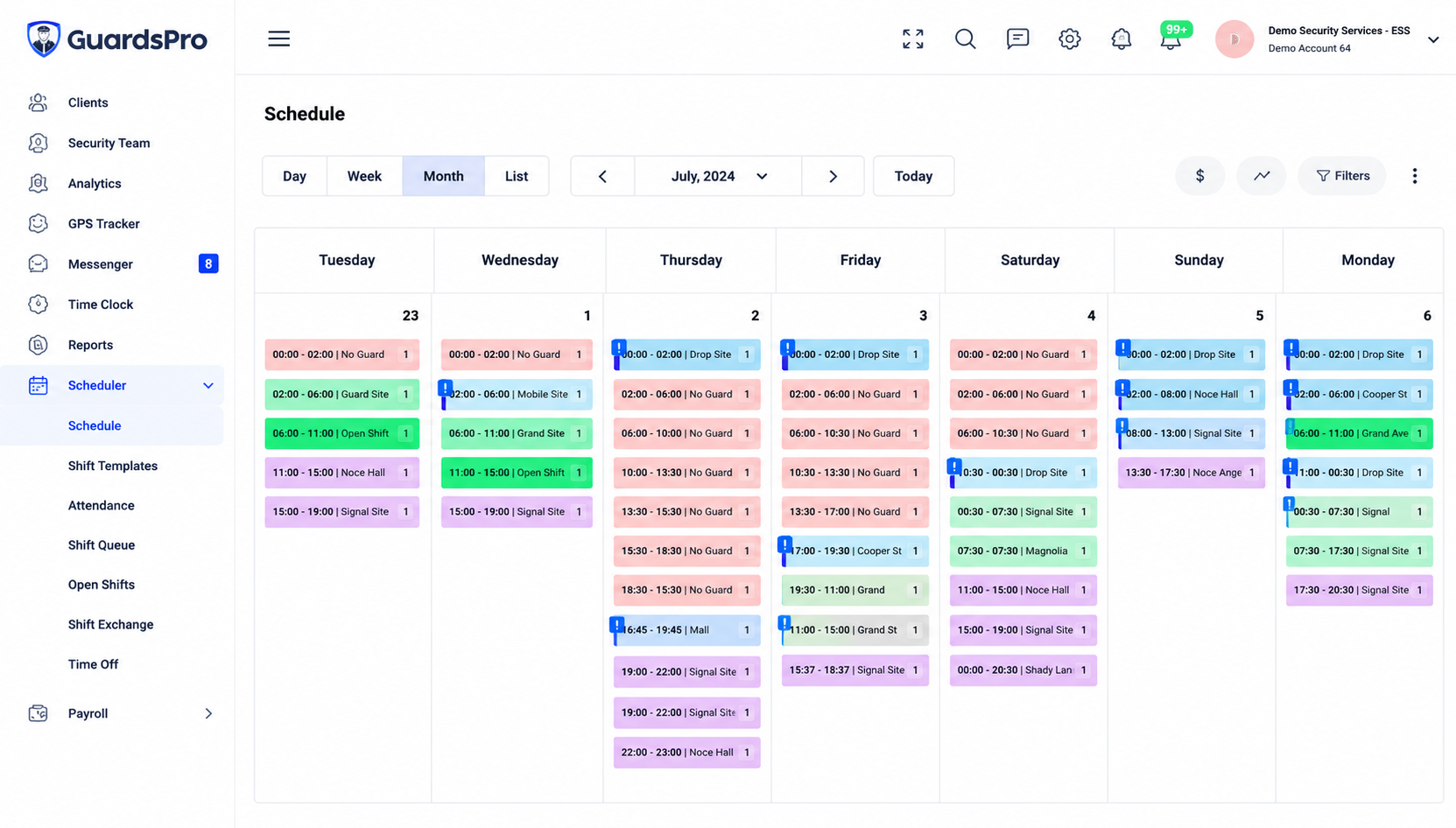
Automated scheduling tools help optimize staffing levels while reducing overtime and administrative effort.
6. Limited Visibility Slows Decision-Making
Managers can’t solve problems they can’t see.
Without real-time operational visibility, it’s difficult to know:
- Which guards are on duty
- Where officers are located
- Which incidents require attention
- Which sites need immediate support
- Whether operations are running as planned
Real-time dashboards and live tracking enable faster decisions, quicker responses, and more efficient resource allocation.
7. Poor Client Transparency Hurts Retention
Today’s clients expect visibility.
When clients constantly need to request updates or question completed work, trust begins to decline.
Providing clients with real-time access to:
- Incident reports
- Patrol history
- Activity logs
- Officer attendance
- Performance reports
improves transparency and strengthens long-term business relationships.
Satisfied clients are far more likely to renew contracts and recommend your services.
How GuardsPro Eliminates These Hidden Costs
The most effective way of reducing security operational costs isn’t cutting corners, it’s eliminating operational inefficiencies.
GuardsPro brings every part of your security operation into one centralized platform, helping managers automate routine work while improving visibility across the entire workforce.
With GuardsPro, you can:
- Automate guard scheduling
- Digitize incident reporting
- Track guards in real time
- Verify patrol completion with GPS
- Simplify payroll preparation
- Improve communication between office staff and field guards
- Generate powerful operational reports
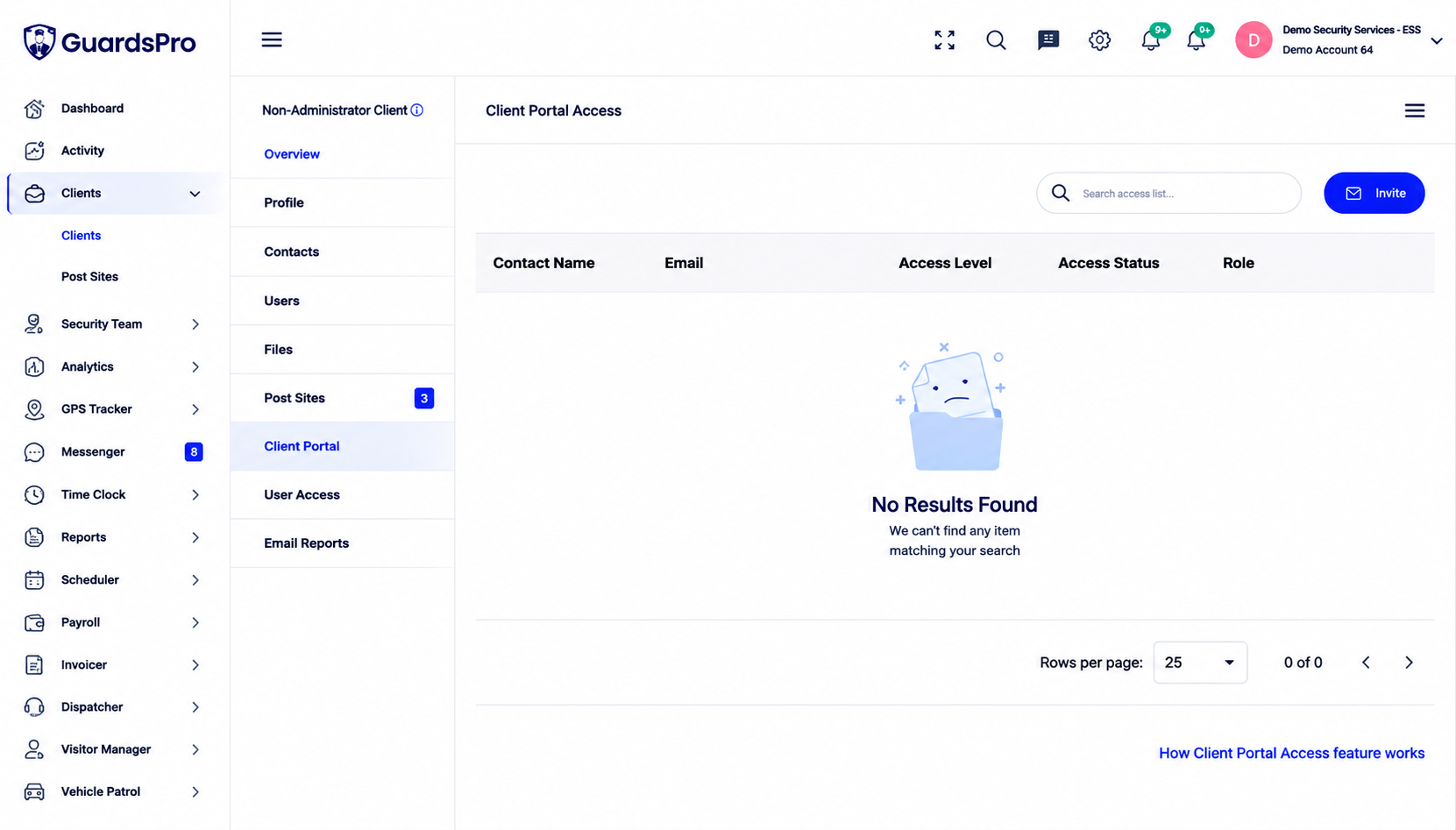
- Give clients secure access to reports and activity updates
Instead of reacting to operational problems after they’ve become expensive, GuardsPro helps prevent them before they impact your business.
Whether you’re managing a small security company or a large multi-site operation, GuardsPro serves as a complete security guard management system designed to improve efficiency, increase accountability, and reduce unnecessary operational costs.
Final Thoughts
The biggest operational expenses aren’t always obvious.
A few minutes lost to paperwork, one missed patrol, an overlooked scheduling conflict, or delayed communication may seem insignificant individually—but multiplied across dozens of guards and hundreds of shifts, they become major financial drains.
Recognizing these hidden inefficiencies is the first step toward improving profitability.
By investing in modern security workforce management software, businesses can streamline operations, improve guard performance, enhance client satisfaction, and significantly reduce long-term operating costs.
The result isn’t just better security management, it’s a stronger, more profitable business.
Want to give GuardsPro a try?

Prefer a walkthrough?
Book a live demo and explore how GuardsPro helps you manage scheduling, reporting, and operations across all your sites.
Have questions or feedback?
Get in touch anytime; we’re here to help, and your input helps us keep improving for teams like yours.