
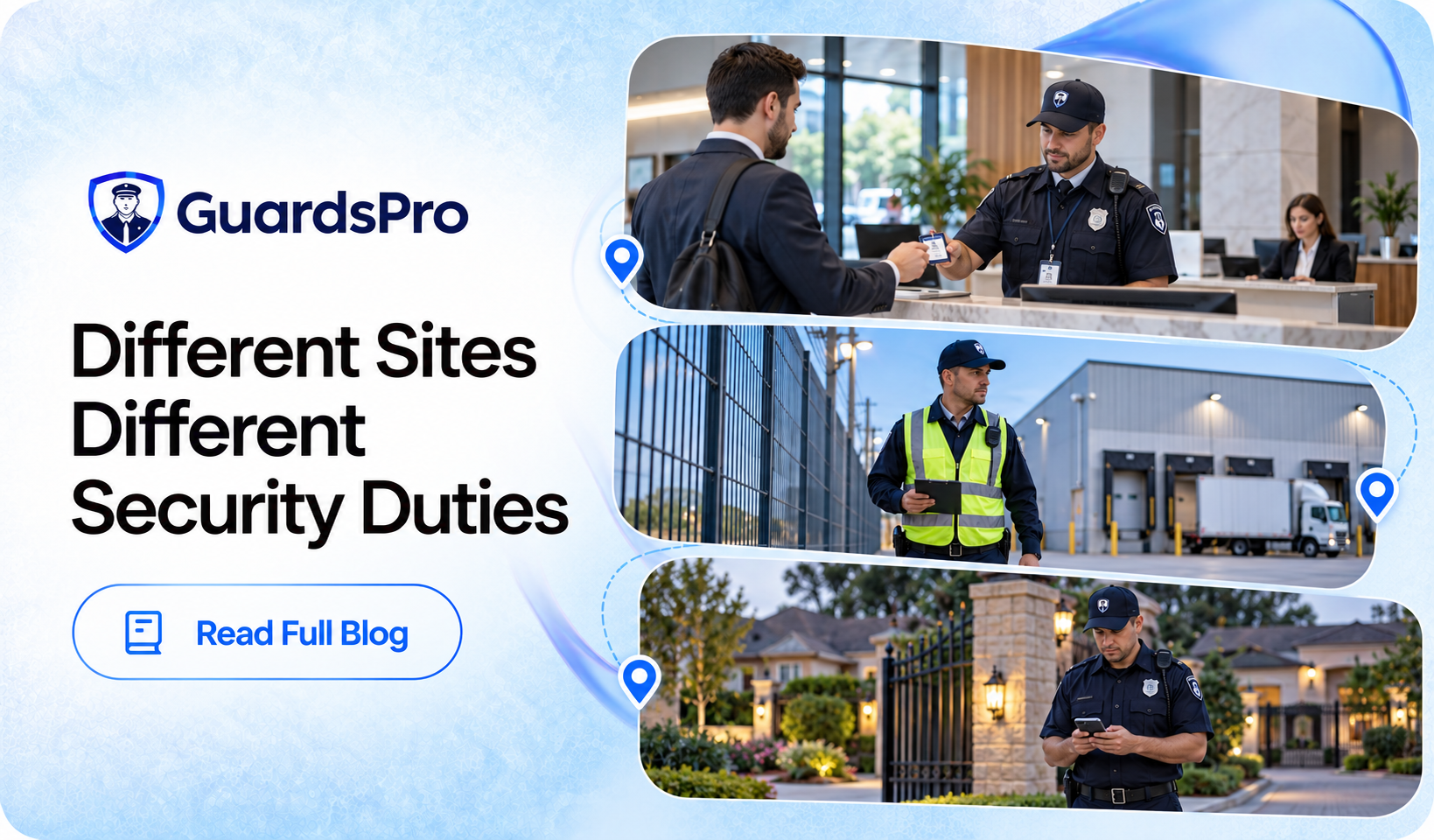
A security officer working in a hospital does not have the same day as an officer stationed at a corporate office.
A retail guard may spend much of a shift watching for theft and managing customer-facing incidents. A residential officer may handle visitors, vehicle access, resident concerns, and overnight patrols. At an industrial site, the focus may shift toward perimeter security, restricted areas, equipment, and safety hazards.
The core responsibility is still the same: protect people, property, and assets.
But how that responsibility is carried out changes considerably from one environment to another.
That is why understanding security officer duties by industry matters when security companies hire guards, create Post Orders, plan training, and assign officers to client sites.
The modern security role is also becoming broader. As TEAM Software explains in its look at changing security guard roles, officers are increasingly expected to use technology, document activity, communicate effectively, and adapt to changing site requirements.
The Core Duties Stay Similar but the Priorities Change
Most security officers share a common set of responsibilities regardless of where they work.
They may patrol assigned areas, control access, observe unusual activity, respond to incidents, communicate with supervisors, assist people on-site, and document what happened during the shift.
What changes is which of those duties matters most at a particular site.
A hospital may require stronger de-escalation and emergency-response skills. A retail store may place more emphasis on theft prevention and customer interaction. A corporate office may prioritize visitor access and professional communication, while a residential property may depend heavily on patrols and resident assistance.
That is why security companies should avoid treating every post as interchangeable.
Healthcare Security Officers: Safety With a Human Side
Healthcare environments can be particularly demanding because guards work around patients, families, medical staff, visitors, and emergency situations.
Security duties may include monitoring entrances, managing visitor access, responding to disruptive behavior, patrolling parking areas, assisting during emergencies, and protecting restricted sections of the facility.
But technical security skills alone are not enough.
Healthcare officers may encounter people who are frightened, upset, confused, or under significant stress. That makes communication, patience, situational awareness, and de-escalation especially important.
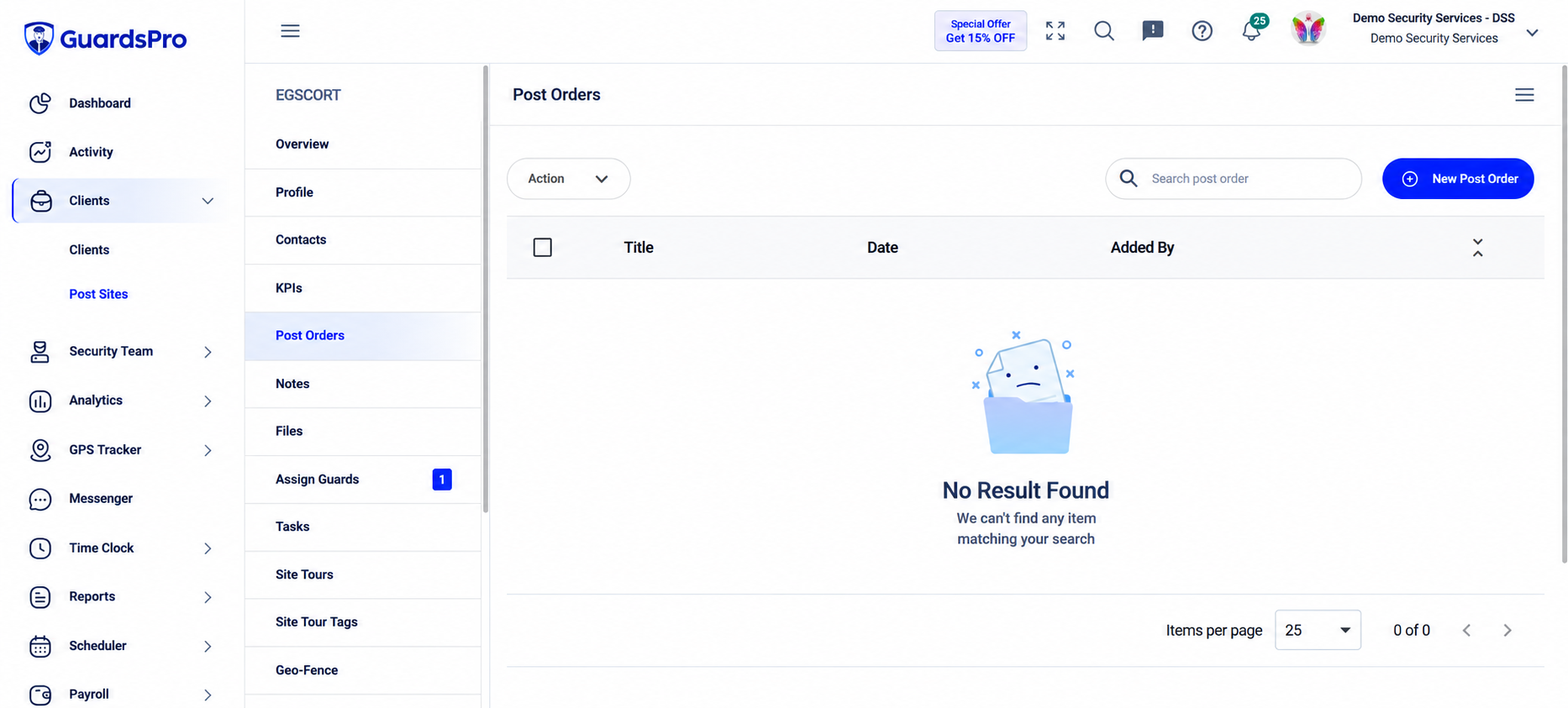
For security companies, healthcare assignments should be supported by clear site-specific instructions rather than generic expectations. GuardsPro allows managers to organize site requirements through Post Orders and other security management features, helping guards understand the procedures associated with the site they are protecting.
Training focus: De-escalation, emergency procedures, visitor management, communication, restricted-area awareness, and site-specific response protocols.
Retail Security Officers: Prevention Without Losing Customer Service
Retail security is highly public-facing.
Officers may monitor entrances and exits, watch for suspicious behavior, patrol sales areas, respond to theft concerns, assist employees during incidents, and help maintain order during busy periods.
At the same time, they are working around customers.
That creates an important balance.
A retail security officer needs to remain alert without making normal shoppers feel uncomfortable. When an incident occurs, the officer may also need to communicate clearly with store employees, customers, supervisors, or law enforcement.
Customer service therefore becomes part of the security role.
A visible and approachable officer can deter problems while still making people feel comfortable asking for assistance.
When an incident does happen, clear documentation becomes just as important as the initial response. Guards can use GuardsPro reporting tools to document incidents and other field activity so supervisors have a clearer record of what occurred.
Training focus: Observation, theft awareness, customer service, de-escalation, incident response, and accurate documentation.
Corporate Security Officers: Access and Professionalism Come First
Corporate environments often place more emphasis on controlled access and professional interaction.
A security officer may verify employees, register visitors, monitor entrances, check access credentials, patrol office areas, respond to alarms, and provide assistance to employees or guests.
Here, presentation and communication can matter almost as much as observation.
The security officer may be the first person someone sees when entering the building. That means they are enforcing security requirements while also representing both the security company and the client.
Visitor management becomes particularly important when buildings regularly receive contractors, interview candidates, delivery personnel, and business guests.
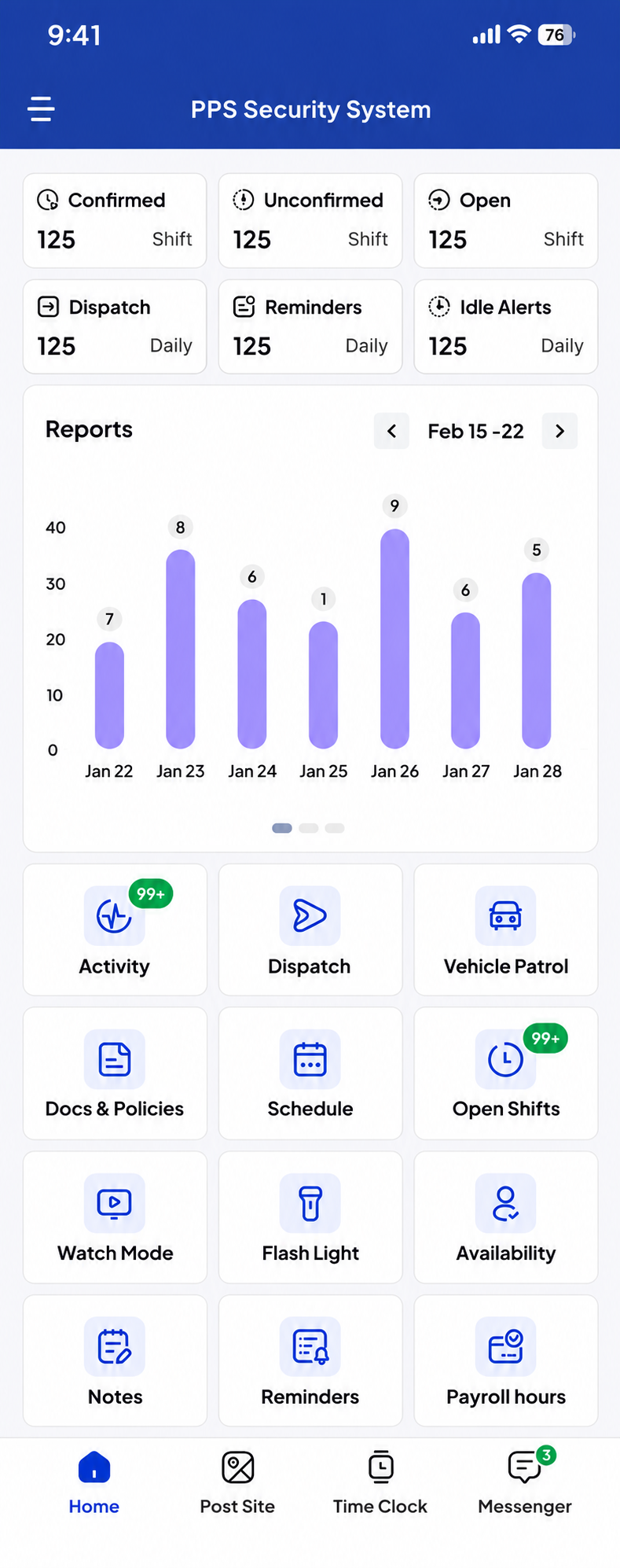
Through the GuardsPro Guard Mobile App, guards can access site instructions, tasks, reports, visitor records, passdowns, and other information relevant to the post they are working.
Training focus: Access control, visitor procedures, professional communication, confidentiality, emergency response, and accurate recordkeeping.
Residential Security Officers: Security Becomes More Personal
Residential security has its own challenges because officers often interact with the same residents regularly.
Their duties may include gate or lobby access control, visitor verification, vehicle monitoring, property patrols, responding to disturbances, watching common areas, and assisting residents with security-related concerns.
Unlike some commercial environments, officers may also develop familiarity with the property and its normal patterns.
Who usually belongs there?
Which vehicles are commonly present?
Which areas become quieter at night?
When does something feel unusual?
This is where observation and familiarity work together.
Residential guards must still enforce rules consistently, but they also need strong interpersonal skills because many interactions involve residents, guests, delivery drivers, and property staff.
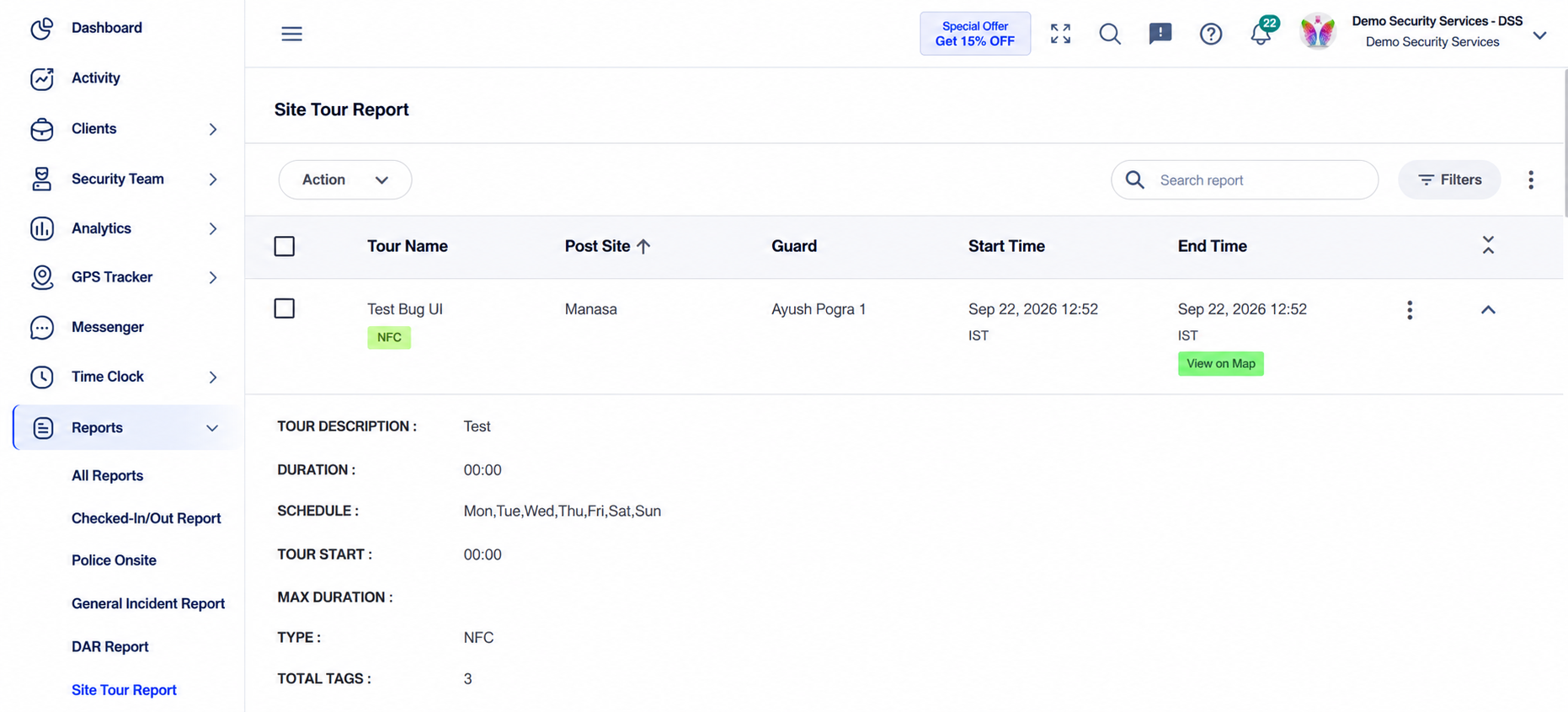
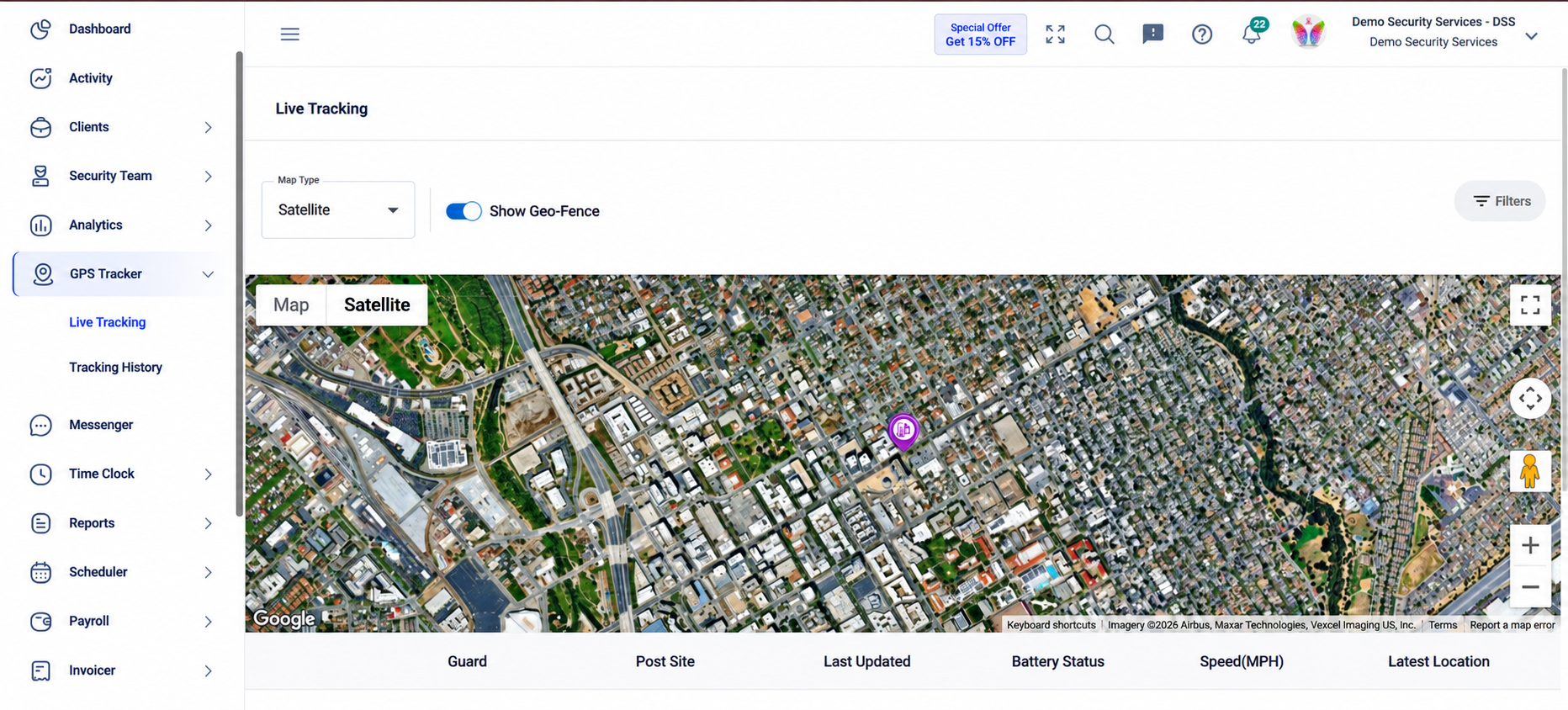
Technology can give supervisors additional visibility into these activities. GuardsPro’s GPS tracking and guard tour capabilities can provide more context around patrol activity and guard movement while officers complete assigned duties.
Training focus: Visitor access, residential customer service, patrol awareness, conflict handling, vehicle activity, and emergency escalation.
Industrial and Warehouse Security Officers: Protect the Perimeter and the Process
Industrial properties, warehouses, distribution centers, and manufacturing facilities may involve fewer public interactions but more site-specific risks.
Security officers can be responsible for monitoring gates, checking vehicles, controlling contractor access, patrolling large perimeters, watching loading areas, identifying damaged barriers, and responding to unusual activity.
Safety awareness becomes particularly important.
During patrols, officers may notice blocked exits, damaged fencing, unsecured doors, poor lighting, or other hazards that need attention.
Because these sites can be large and operationally complex, guards need clear Post Orders and defined patrol requirements.
An officer should know which areas require checks, which locations are restricted, what hazards to watch for, and who needs to be contacted when something is wrong.
Training focus: Perimeter patrols, vehicle and contractor access, restricted areas, hazard recognition, incident reporting, and facility-specific safety procedures.
Hospitality and Event Security Officers: Expect Constant Change
Hotels, entertainment venues, and events create another type of security environment.
Officers may deal with large numbers of people, crowded entrances, guest questions, restricted areas, disturbances, lost property, access checks, and rapidly changing situations.
Strong people skills become essential.
Officers often need to solve smaller problems before they develop into larger incidents.
At an event, crowd movement may suddenly change. At a hotel, a guest complaint may turn into a security issue.
In both cases, guards need to observe what is happening while communicating professionally and deciding when an issue needs to be escalated.
Training focus: Crowd awareness, customer service, access control, de-escalation, emergency procedures, and rapid communication.
Why Site Type Should Influence Staffing
Understanding security guard roles by site type matters before a shift is assigned.
A guard who performs extremely well at a quiet industrial property may not automatically be the right fit for a busy hospital emergency department.
An officer who excels at corporate reception may require additional preparation before taking on overnight vehicle patrol.
So the question should go beyond:
“Is this guard available?”
Security companies should also ask:
“Is this guard prepared for this particular site?”
That means considering training, experience, communication skills, licenses, site familiarity, and the responsibilities attached to the assignment.
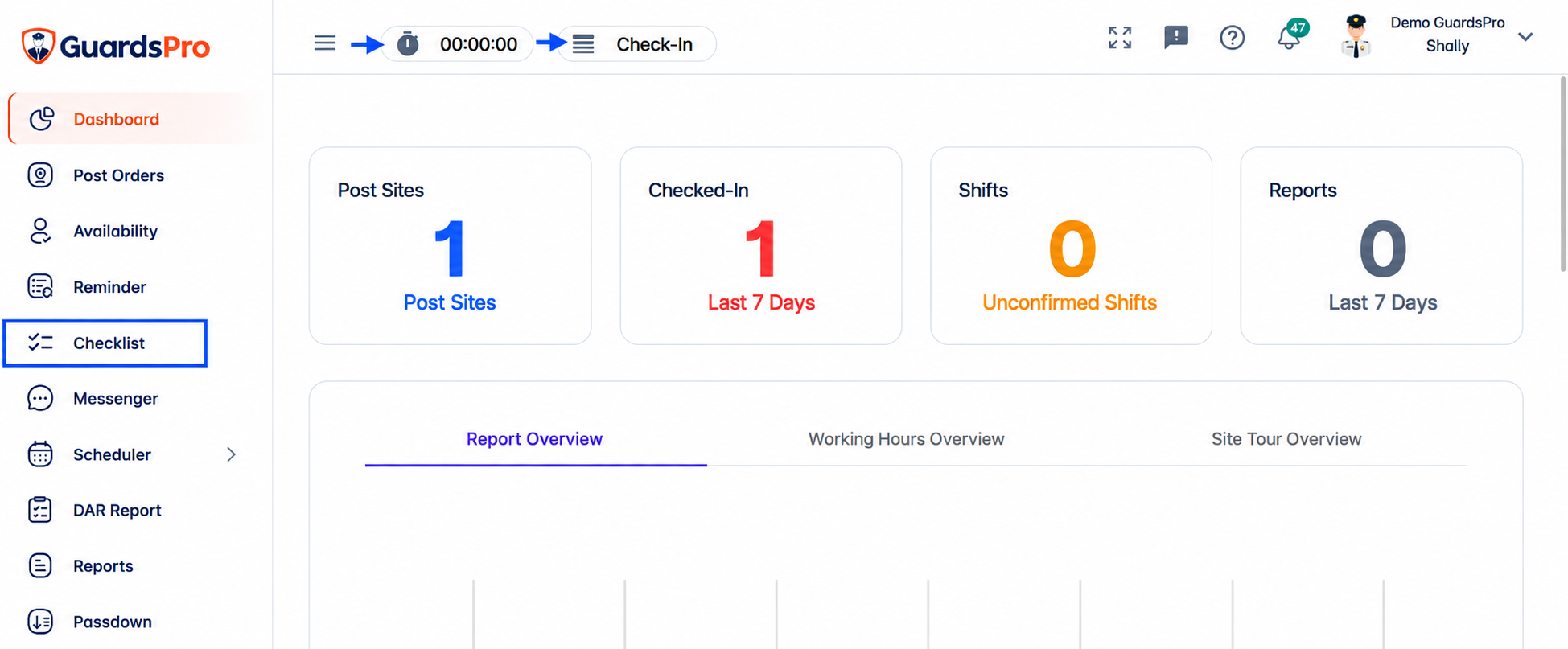
Clients can also be given appropriate visibility into site activity through the GuardsPro Client Web Portal, where authorized information such as reports, incidents, schedules, Post Orders, tours, and other operational records can be made available.
Site-Specific Training Matters More Than Generic Training Alone
General security training creates the foundation.
Site-specific training tells a guard how to apply it.
Every officer may understand how to patrol, report an incident, or control access. But those duties can look very different from one client location to another.
That is why Post Orders should answer practical questions such as:
Which entrances need to be monitored?
Which areas are restricted?
How often should patrols happen?
What should happen during an emergency?
Who needs to be notified after an incident?
What information needs to appear in a report?
The more clearly those expectations are defined, the easier it becomes for guards to work consistently across different assignments.
Technology can support that process too. GuardsPro has previously explained how technology helps security guards manage their duties and responsibilities, particularly when guards need to manage field information, patrols, reporting, and communication across their shifts.
The Bottom Line
The basic purpose of security work may stay the same across industries.
Protect people. Protect property. Notice problems. Respond appropriately. Document what happened.
But the daily job can look very different depending on the site.
Healthcare demands strong communication and de-escalation.
Retail combines loss prevention with customer interaction.
Corporate security emphasizes access and professionalism.
Residential sites require familiarity, patrol awareness, and resident service.
Industrial environments place more emphasis on perimeter control and site-specific risks.
Hospitality and events require adaptability in busy, fast-changing environments.
Understanding these security officer duties by industry helps security companies hire more effectively, prepare guards for the environments they will actually work in, and assign the right people to the right sites.
Because good security is not only about having a guard on-site.
It is about having a guard who understands what that particular site requires.
Help Guards Stay Prepared for Every Site With GuardsPro
GuardsPro helps security companies manage site-specific responsibilities through Post Orders, tasks, patrols, reporting, field communication, visitor records, and other operational tools.
Instead of expecting guards to remember different procedures for every assignment, operations teams can keep important site information connected to the work being performed.
You can start your free 30-day trial of GuardsPro, explore GuardsPro, or book a live demo to see how better site information can support more consistent guard performance.
Sign up within 15 days to unlock an exclusive 15% discount on your subscription.
Have questions before getting started? Contact the GuardsPro team.

FAQs
What are the main duties of a security officer?
Common security officer responsibilities include patrolling, controlling access, monitoring suspicious activity, responding to incidents, assisting people on-site, communicating with supervisors, and completing reports. The importance of each responsibility depends on the site.
How do security officer duties change by industry?
Different industries create different priorities. Healthcare may require stronger de-escalation and emergency-response skills, retail emphasizes theft prevention and customer interaction, corporate sites focus on access control and professionalism, while residential properties combine patrols with visitor and resident assistance.
Why are site-specific Post Orders important?
Post Orders tell guards what is expected at a particular site. They can cover patrol requirements, access procedures, emergency contacts, restricted areas, reporting requirements, and other instructions that differ between client locations.
What skills should healthcare security officers have?
Healthcare security officers may benefit from strong communication, de-escalation, situational awareness, emergency-response training, visitor-management skills, and a clear understanding of site procedures.
What duties are common in residential security?
Residential security duties may include access control, visitor verification, property patrols, vehicle monitoring, responding to resident concerns, documenting incidents, and watching for unusual activity.
Why should security companies match guards to specific sites?
Different assignments require different combinations of experience, communication skills, training, licenses, and site knowledge. Matching guards more carefully helps ensure they are prepared for the responsibilities and situations they are likely to encounter.