[ez-toc]
Hiring security guards is only half the battle. Keeping experienced officers on your team is often the bigger challenge.
The security industry experiences one of the highest employee turnover rates across service-based businesses. Guards frequently leave because of inconsistent schedules, limited communication, lack of recognition, or better opportunities elsewhere. For security companies, replacing those employees means more recruiting, more training, and increased operational costs.
The good news is that turnover isn’t something you simply have to accept. With the right processes, technology, and workplace culture, it’s possible to build a workforce that stays longer and performs better.
In this guide, we’ll share practical tips to reduce security guard turnover that can help improve retention, strengthen client relationships, and create a more dependable security operation.
Why Security Guard Turnover Is So Common
Before solving the problem, it’s important to understand what’s causing it.
Many security companies face ongoing security guard staffing challenges because officers often deal with unpredictable schedules, mandatory overtime, repetitive administrative tasks, and limited opportunities for career growth. Combined with the demanding nature of the job, these factors can make it difficult to retain experienced personnel.
When turnover becomes routine, businesses spend more time hiring replacements than improving their operations.
1. Create Predictable Schedules
One of the biggest reasons guards leave is inconsistent scheduling.
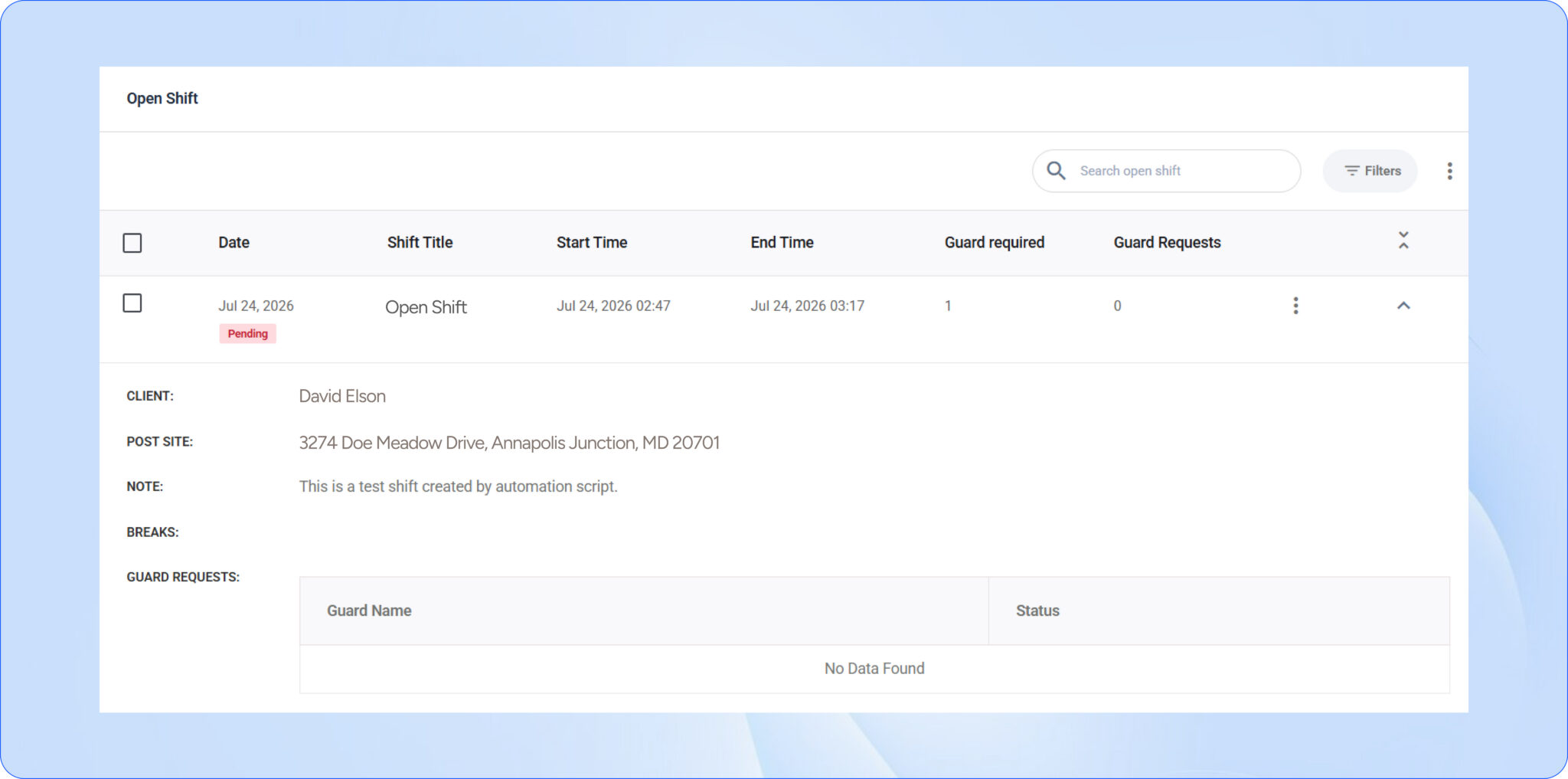
Frequent last-minute changes and excessive overtime make it difficult for employees to maintain a healthy work-life balance. Providing schedules in advance and minimizing unnecessary shift changes helps guards plan their personal lives and increases job satisfaction.
Modern workforce management software like GuardsPro also makes it easier to fill open shifts without disrupting the entire schedule.
2. Invest in Better Communication
Guards perform best when they know what’s expected of them.
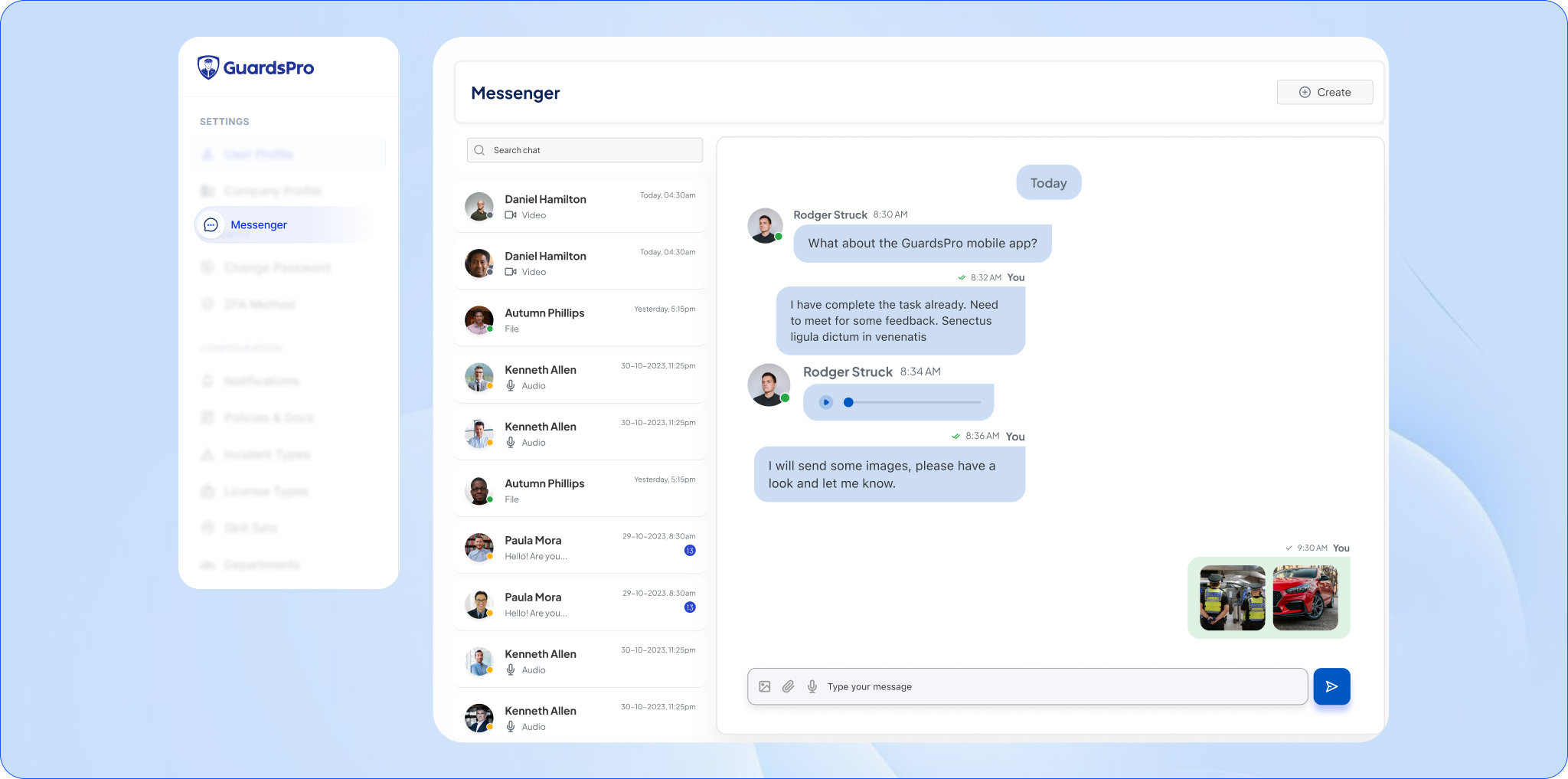
Clear post orders, real-time updates, and direct communication reduce confusion and help officers feel connected to their team. Mobile apps that centralize messages, incident updates, and assignments eliminate the frustration of missed calls and scattered information.
Strong communication is one of the simplest yet most effective security guard retention strategies.
3. Recognize Great Performance
Recognition doesn’t always have to come with financial rewards.
Acknowledging excellent incident reports, perfect attendance, positive client feedback, or successful patrol completion shows guards that their work matters. Even small gestures can improve morale and encourage long-term commitment.
Employees who feel appreciated are far more likely to stay.
4. Give Guards the Right Technology
No one enjoys spending time on paperwork or outdated processes.
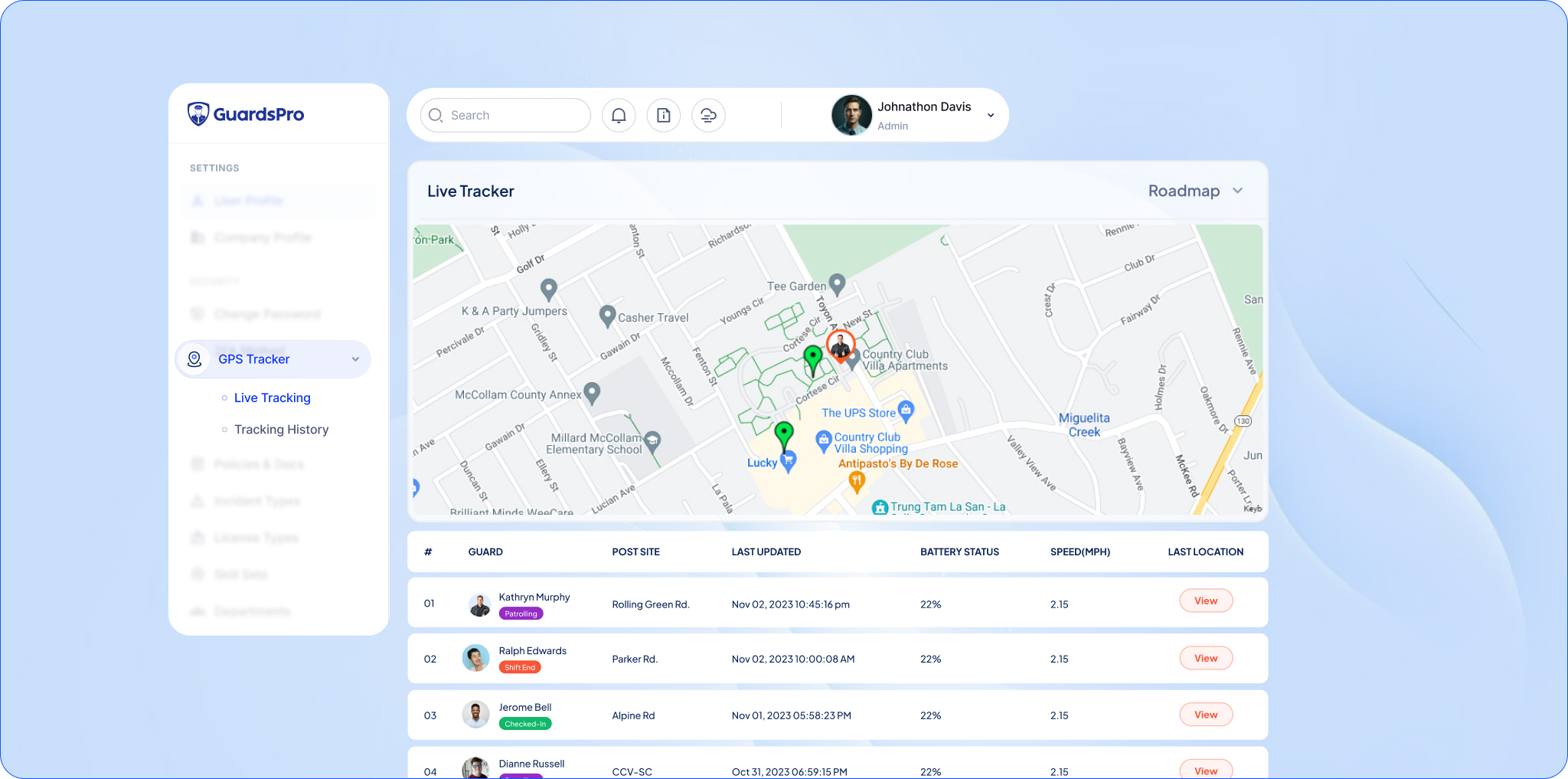
Digital reporting, GPS-enabled patrol tracking, mobile dispatching, and automated scheduling remove unnecessary administrative work and allow guards to focus on protecting clients instead of managing paperwork.
Providing modern tools also demonstrates that your company values efficiency and employee experience.
5. Provide Opportunities to Grow
Many officers leave because they don’t see a future beyond their current role.
Offer training programs, certifications, leadership opportunities, or clear career paths that help employees develop professionally. Investing in your people creates stronger teams while improving retention.
Learning opportunities are a powerful answer to how to retain security guards over the long term.
6. Prevent Burnout Before It Starts
Burnout is one of the leading causes of managing security guard turnover successfully.
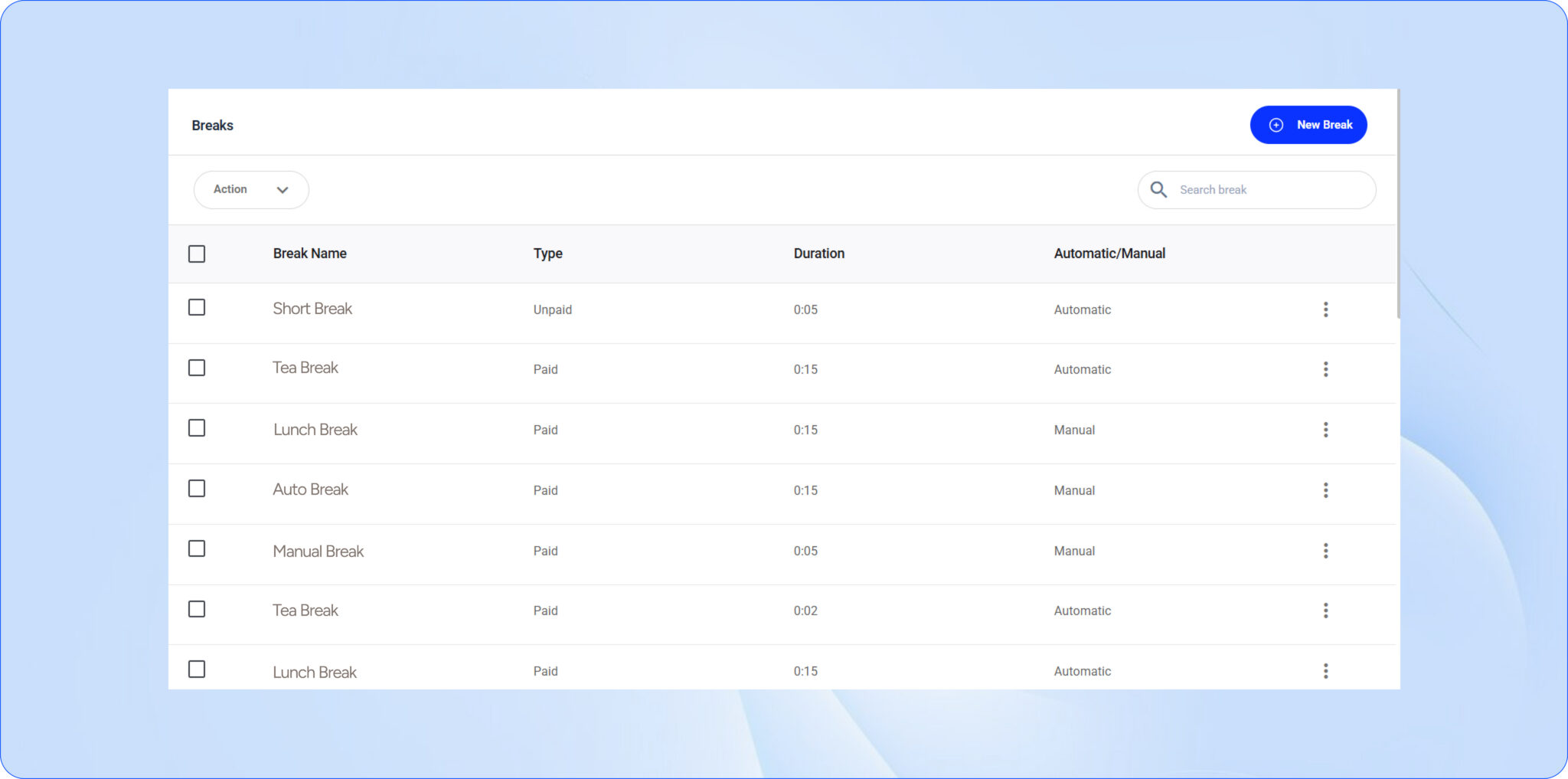
Regular overtime, understaffed shifts, and constant schedule changes place unnecessary pressure on officers. Monitor workloads, rotate assignments when possible, and ensure guards receive adequate breaks between shifts.
Healthy employees provide better service and remain with the company longer.
7. Use Data to Identify Retention Risks
The best decisions are backed by data.
Track overtime hours, absenteeism, schedule changes, employee performance, and turnover trends to identify potential issues before employees resign. Analytics can help managers recognize patterns and improve staffing decisions.
Reducing security staffing gaps starts with understanding what’s happening across your workforce.

Build a Workforce That Wants to Stay
Retaining experienced security guards isn’t about one big change. It’s about consistently creating an environment where employees feel supported, respected, and equipped to succeed.
By implementing these tips to reduce security guard turnover, security companies can reduce hiring costs, improve operational efficiency, strengthen client relationships, and build teams that deliver consistently high-quality service.
Technology also plays an important role. Platforms like GuardsPro help security companies simplify scheduling, streamline communication, digitize reporting, and improve workforce visibility, giving managers the tools they need to support both their clients and their guards.
Want to give GuardsPro a try?

Prefer a walkthrough?
Book a live demo and explore how GuardsPro helps you manage scheduling, reporting, and operations across all your sites.
Have questions or feedback?
Get in touch anytime; we’re here to help, and your input helps us keep improving for teams like yours.
Frequently Asked Questions
[saswp_tiny_multiple_faq headline-0=”h4″ question-0=”Why is security guard turnover so high in the industry?” answer-0=”Security guard turnover is often caused by inconsistent scheduling, long hours, limited career advancement, poor communication, and demanding working conditions. Addressing these challenges can significantly improve employee retention.” image-0=”” count=”1″ html=”true”]
[saswp_tiny_multiple_faq headline-0=”h4″ question-0=”How does high turnover affect a security company?” answer-0=”High turnover increases recruiting and training costs, creates staffing shortages, affects service quality, and can reduce client satisfaction due to frequent changes in personnel.” image-0=”” count=”1″ html=”true”]
[saswp_tiny_multiple_faq headline-0=”h4″ question-0=”What are the most effective ways to reduce security guard turnover?” answer-0=”Providing predictable schedules, improving communication, recognizing employee performance, investing in training, using modern workforce management software, and preventing burnout are among the most effective strategies.” image-0=”” count=”1″ html=”true”]
[saswp_tiny_multiple_faq headline-0=”h4″ question-0=”Can scheduling software help reduce guard turnover?” answer-0=”Yes. Scheduling software helps managers create balanced schedules, reduce overtime, fill open shifts more efficiently, and give guards better visibility into their upcoming assignments, improving overall job satisfaction.” image-0=”” count=”1″ html=”true”]
[saswp_tiny_multiple_faq headline-0=”h4″ question-0=”How can security companies build a more stable workforce long term?” answer-0=”Building a stable workforce requires consistent communication, career development opportunities, fair scheduling practices, employee recognition, and technology that simplifies daily operations while supporting both managers and security officers.” image-0=”” count=”1″ html=”true”]